

 USD
USD
 AUD
AUD
 CHF
CHF
 EUR
EUR
 GBP
GBP
 MXN
MXN
 AED
AED
 KWD
KWD
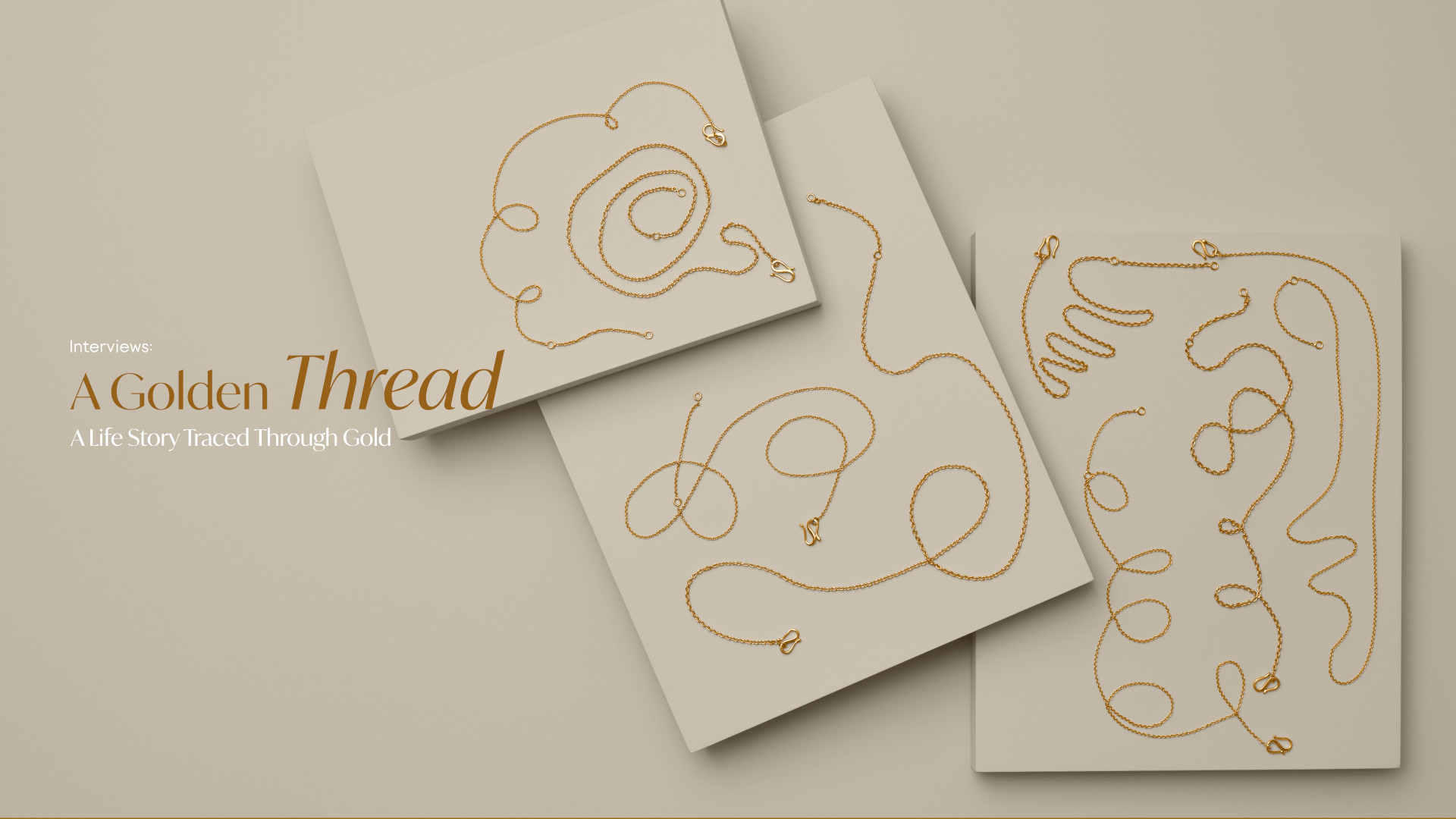
When my life’s pathway seems unclear, I look for a golden thread — a small magical coincidence or communication signifying some kind of path. Since humans have existed, gold has held us in thrall. A through-line between so many cultures and civilizations — Mesopotamia, China, Indonesia, Kazakhstan, Scandinavia, etc. Gold has been used to ward off evil and of course to signify status. Egyptians considered it the actual flesh of the Gods.

MOLLY FINDLAY
Creative Director, Brand Strategist & Set Designer
“I am, first and foremost, a creative alchemist.”
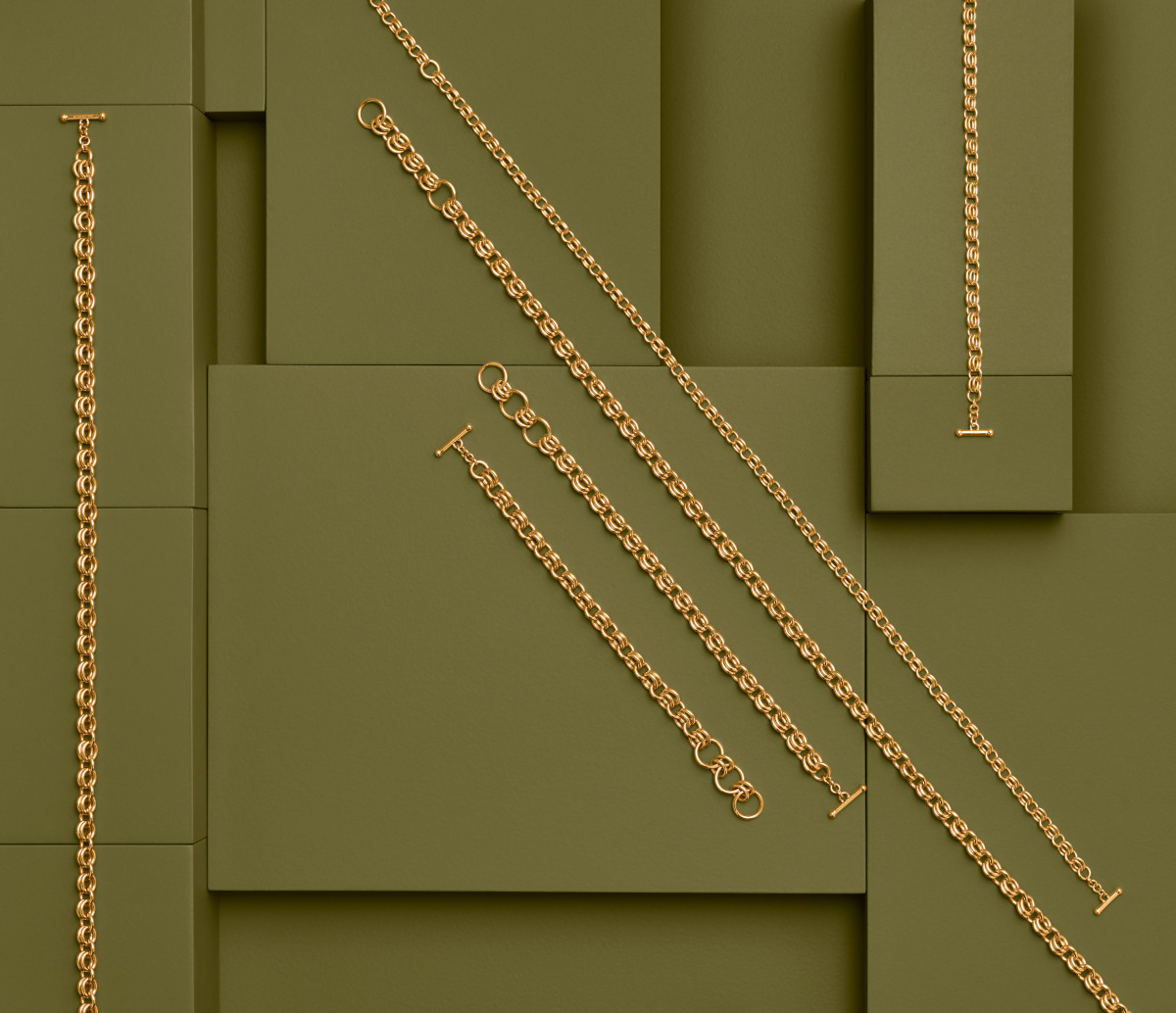
When my life’s pathway seems unclear, I look for a golden thread — a small magical coincidence or communication signifying some kind of path.
Since humans have existed, gold has held us in thrall. A through-line between so many cultures and civilizations — Mesopotamia, China, Indonesia, Kazakhstan, Scandinavia, etc. Gold has been used to ward off evil and of course to signify status. Egyptians considered it the actual flesh of the Gods.
I’m by no means unique in my love for gold, or even my love of gold facts. Did you know one ounce of gold can cover 300 square feet when hammered flat?
Gold is exceedingly rare. Did you know that all the gold ever mined in the world would fit into a 22-meter cube (roughly the size of an Olympic swimming pool). Gold is cosmic — it’s created in supernova explosions. Also, it never corrodes, is edible, extremely conductive, and incredibly malleable. I love how forgiving gold is. If something’s not working, you can melt it down and start over.
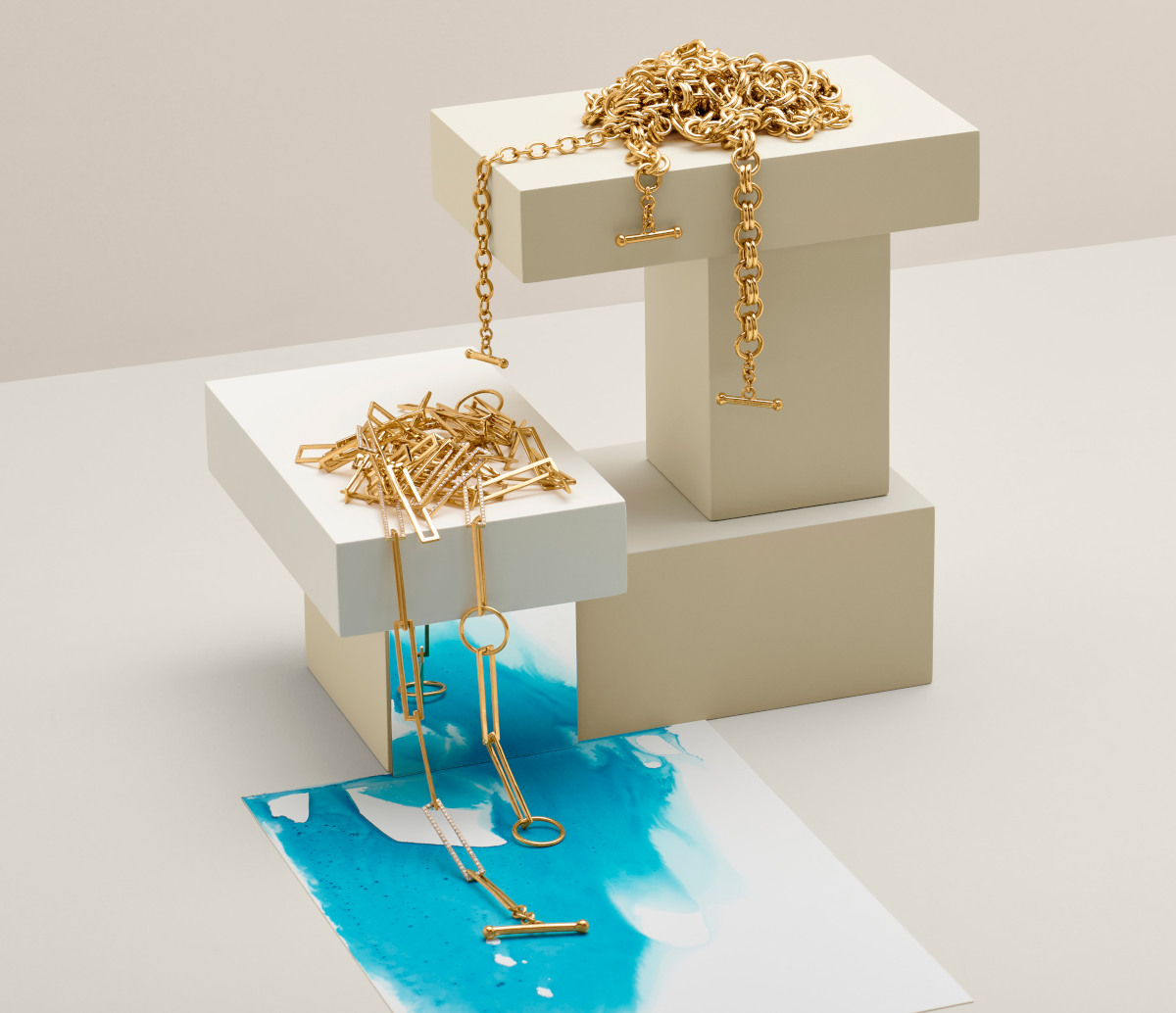
Gold holds a paradox. For an incorruptible metal, it sure has the power to corrupt. How about Gold Fever? When I was a kid growing up in California, my brother and I visited ghost towns from the Gold Rush on school trips or with our parents. We came away slack-jawed at tales of near-daily murders that went on as frontiers people sought their fortunes in gold. We learned of the mirage of El Dorado and how the feverish lust for this golden city fueled centuries of fruitless expeditions. And don’t forget King Midas and his golden touch, sacrificing human touch and warmth to turn his loved ones into lifeless statuary. The basest insult? Gold-digger.
Despite the paradox, gold is an enduring symbol of love and value. When I turned 40, I bought myself an enormous gold chain. This, I reasoned, was a woman “keeping herself”. I have on my neck a mobile bank, just in case. In times of trouble, people put stock in gold, and today it still (ostensibly) gives legitimacy to our currency (the price of gold, by the way, has skyrocketed in the last year). But even if it had zero monetary value, gold would still be, by far, my favorite metal. I love it most in the form of jewelry. What enormous appeal! The idea of small wearable sculptures that can be hidden within the folds of a hem in uncertain times — sculptures that delight the eye, and can be passed on to next generations — emphatic yes.

Between the ages of 7 and 12, I lived in the Mojave with my family, 5 miles outside the nearest town in high 1980s bohemia. We had no phone, no television, and brought water inside using a waterbed mattress, which we emptied via siphon into the tank. (The wobbly ride home atop the mattress was enormous fun for me and my brother.) The desert scape is a ripe ground for imagination cultivation, and we spent many happy hours building strange structures and exploring abandoned houses, drawing, cooking, helping to raise barns, and feeding chickens, unaware that the Mojave — practically in our backyard — had been home to many gold mines. Some reopened recently after years of dereliction. Come to think of it, those same abandoned cabins probably belonged to long-gone prospectors.
Randsburg was a favorite destination: a ghost town with a still-working rock museum and soda fountain. We were mesmerized by the glowing minerals, especially, and the milkshakes. One of the largest gold nuggets ever found was discovered in the Stringer Mining District near Randsburg in 1977, the same year my brother Kingman was born, though we didn’t live there yet.
We liked hunting for geodes and would take them to our father’s friend Ruben Greenspan, who would slice them in half for us with his rock saw. Children were drawn to Ruben, but animals even more so. I recall burros following him on hikes in Death Valley. He loved all beasts, with the exception of cats. He kept snakes in his freezer and would thrill us by releasing them to reanimate in the sun and wriggle, bewildered, away into the underbrush.
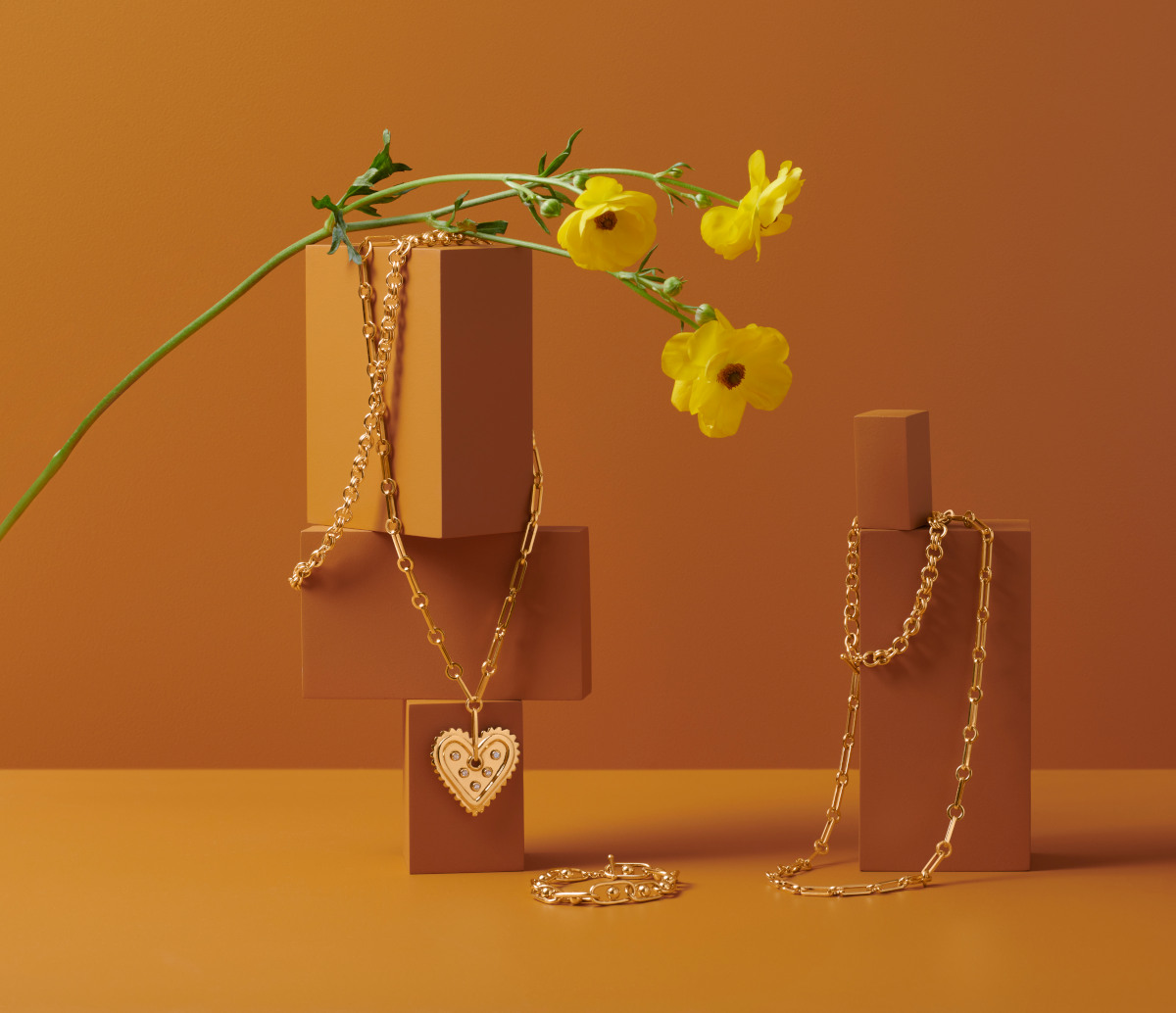
My elementary school was on the military base at China Lake Naval Weapons Testing Center. My best friend and fellow adventurer was Holly Parrie. Her family was descended from the Coso Tribe, which has inhabited that patch of the Mojave for the past 10,000 years. Unlike other Meso-American tribes, the Coso did not value gold at all, preferring obsidian and turquoise. Gold was viewed simply as a heavy, yellow rock (!), its softness making it unsuitable for tools. Soft metals are unsuitable for tools, it’s true. The Coso did run a brisk obsidian operation, evidenced even hundreds of years later in arrowheads which delighted us no end when we found them (if you have the chance, try to visit Obsidian Falls — it’s incredible). Their distaste for gold didn’t mean they had no style: in their petroglyphs, they demonstrated sartorial leanings toward elaborate headdresses — and a deep appreciation for sheep.

Post-Mojave, we moved to the Sierras — also serious Gold Rush country, and maybe the most beautiful landscape of all. Soaring snow-capped mountains gave way to effluvial plains and the creosote valley floor. The colors alone were cause for rapture. The land was riddled with old mines; we would walk a few meters into the pitch before scuttling out again in gleeful terror, imagining cave-ins and ferocious creatures. I loved the cold air that emanated from the earth, the way the sound dampened, and the feeling of bursting out again into the blown-out light at high altitude.
This stark terrain cultivated a powerful creative drive within me; if we didn’t actively invent things, there was absolutely nothing to do. The land was a powerful teacher, showing us how to see — really see — nuance, the texture of lizard’s skin, dew on the cholla cactus in the mornings, the carpeting of the desert floor with small yellow chinch weed flowers each spring, the emerald grass springing up after a rare rain, the play of clouds against mountains, and constellations in the incredible inky dark at night.
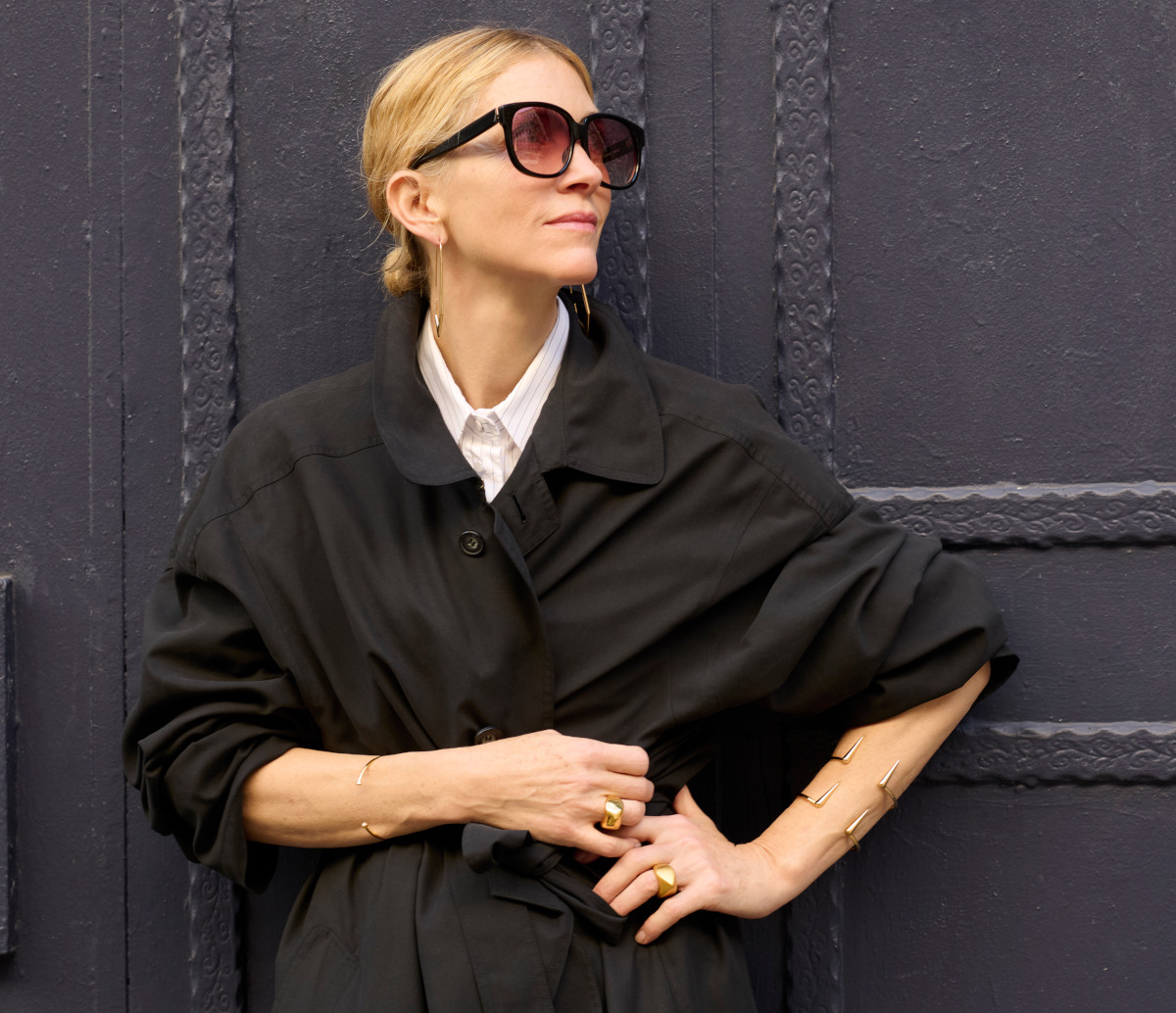
The golden thread led me to New York City the day after graduation at UC Santa Cruz. A dear friend had asked me to perform in his rendition of Waiting for Godot at a space called HERE in the West Village. Why not? I designed surrealist costumes for his next play — my emphasis at university had been sculpture and installation, so working behind the scenes suited me. From there, I moved on to fashion, eventually ending up at Harper’s Bazaar.
Right away, New York felt like home. I loved the visual cacophony — the obsidian of my childhood was now evident in the form of buildings cutting into the sky-scape. There was so much to learn, and do and see. The best place, full of the best people in the world, cuddled us to its steely bosom. With a bit of hustle, a girl from the desert can find herself in St. Barths one week, Mumbai the next, then Rio, working on shoots with the best photographers in the world — learning to see over and over again.
I learned that I love creating imagery, and especially conceptualizing. That love has taken me to all sorts of places. I worked on the design for an art and tech city in the Middle East, on a branding project for an entire nation in South America, for real estate developments in the U.S., for global cosmetic companies, luxury brands, and of course iconic jewelry companies. I’ve engineered countless talks, conferences, gatherings, and experiences. My favorite one to date is Hard Talks in Soft Spaces, where participants can unpack sticky subjects on a giant nest of rainbow noodle sculptures. I led a charge to install greenhouse classrooms at an elementary school in Brooklyn, led a team of teens at Green School Bali in designing a co-working space based on ancient building principles and modularity.
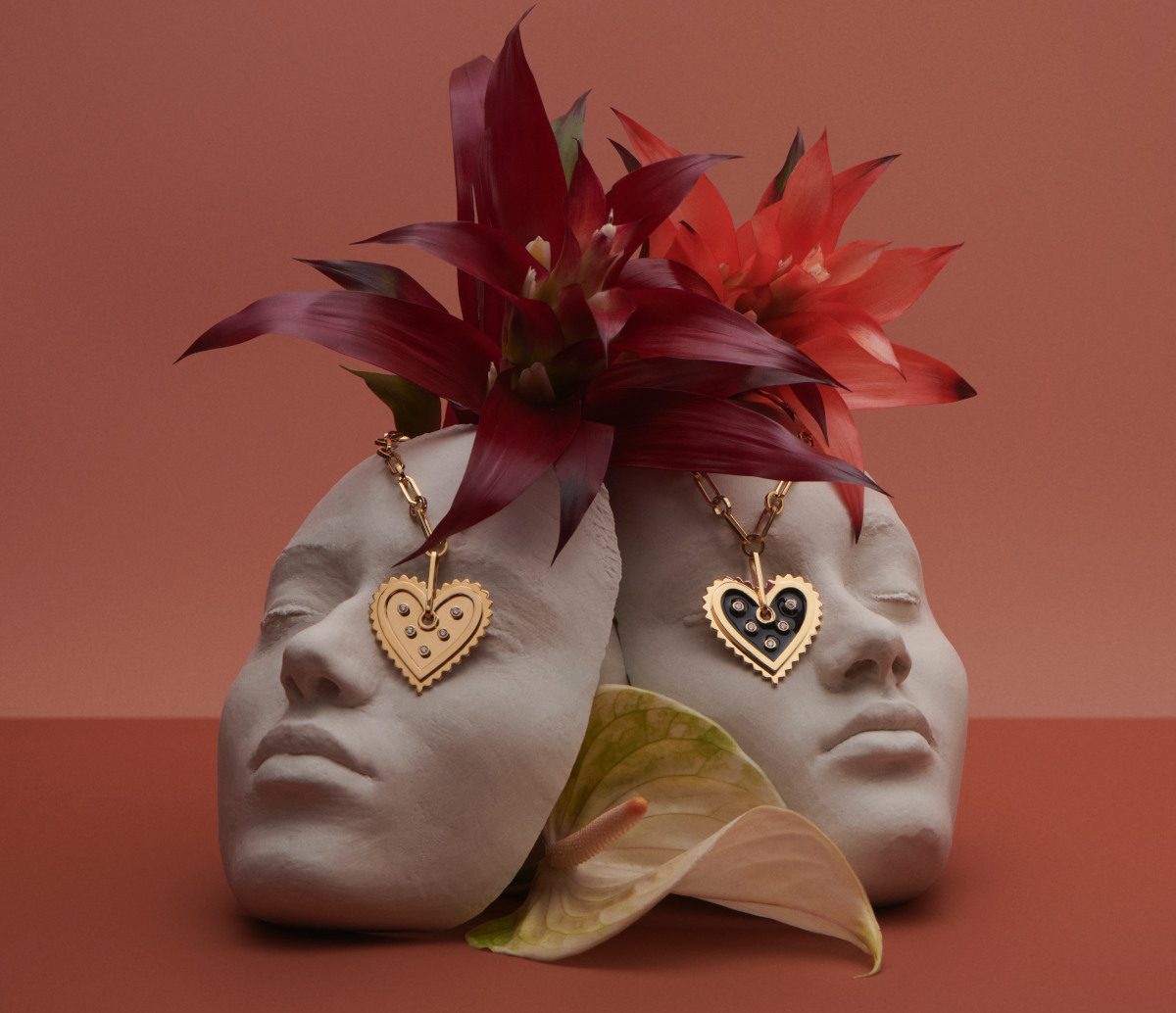
Sculpture, set design, and creative direction have brought me to many continents and seen me through many phases, relocating and reconfiguring from desert to mountain to sea to forest in California, France, New York, Trinidad, Bali, and beyond. If styling and set design for jewelry and beauty (which has always been my focus) is about objects and materials science, then creative direction and conceptualization are more about people —understanding what makes us tick, what we need, what drives us, how to bring out our best work, and how to lay a fertile ground for innovation. How do we explore a concept or ignite emotion — together? Both involve problem-solving and a good measure of alchemy.
Goldsmiths knew how to share resources and trade secrets — which really got around. The similar techniques that pop up everywhere in antiquity show how connected even very far-away cultures actually were, a nice reminder that there’s a counterpoint to our current inclination to categorize and differentiate. We see the near-ubiquity of gold in burials as a hedge against malevolence and a force for spiritual protection. Gold adornment predates Christ by millennia; as long as there have been people, we have ornamented ourselves for this life and the journey beyond. Of course. Gold is more than mere metal. Recently, on a phone call with Gina Love, Auvere’s founder, we went back and forth, exclaiming: “It’s primary.” “It’s eternal. “It’s transformative. “It’s magical”.
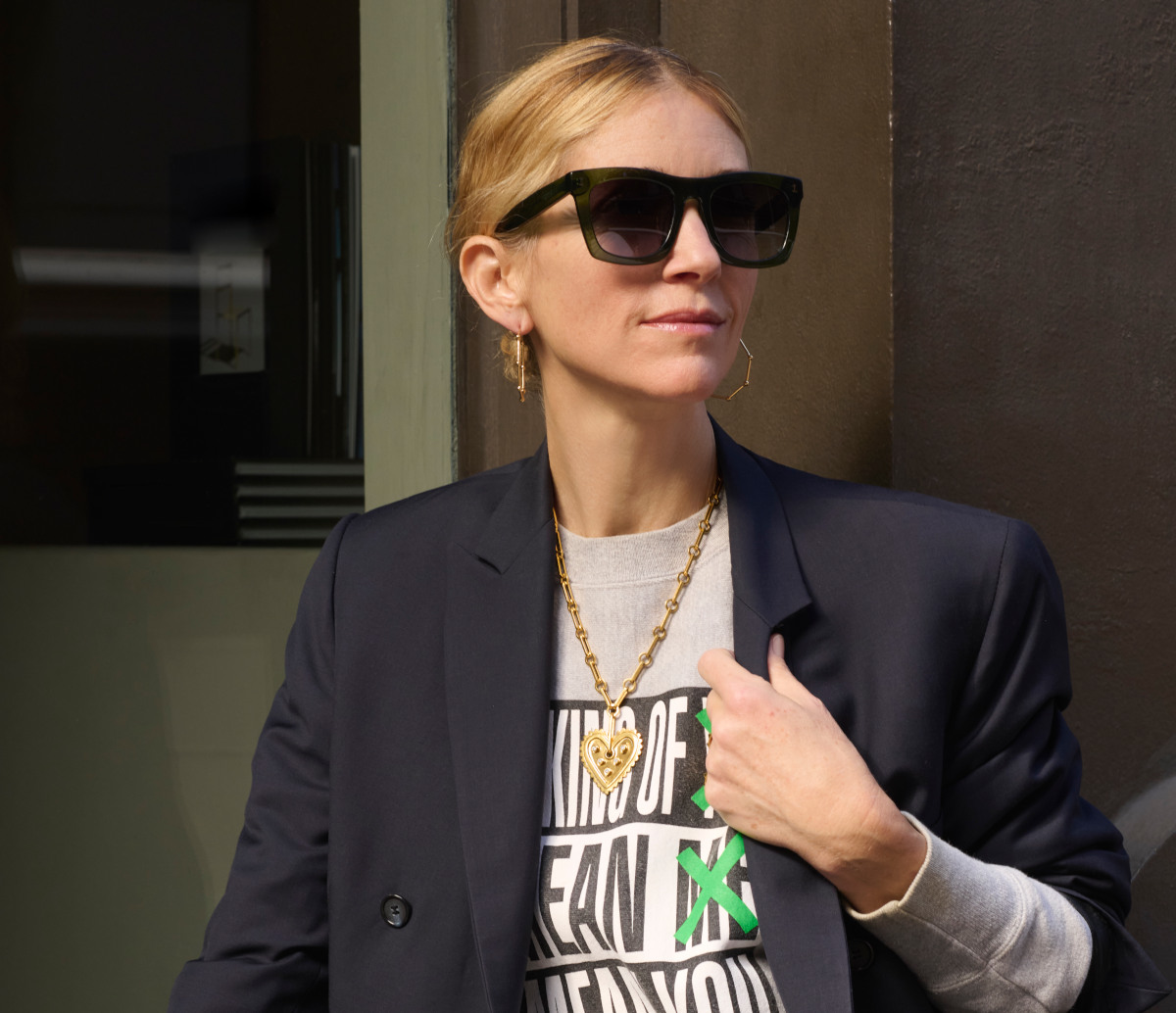
Here I pause to put on my gold necklace just in case. In my ears, the song Creep rearranged by the Scala and Kolacny Brothers is playing: a reconfiguration of a pop song into 6-part choral harmony. A golden thread, this time in sound, morphing from one thing to another to another. Don’t we all morph this way throughout our lives? Our bodies change from infant to prune and everything else along the way, evolving feelings and identities, which begs the question: what is fixed, really? Gold, like us, is both constant and mutable. It can be merged with other metals to add rigidity or softly remain as itself.
In Bali, where my family and I recently spent two years, gold is considered a sacred gift from the earth and the gods. People historically wore gold jewelry or none at all. Silver was only used for everyday items like ceremonial bowls or daggers — never for personal adornment. I was fascinated to learn about a magical gold sword called the Kris. If her husband dies, a bereaved woman can remarry a Kris to maintain her status as a married woman. Nice trick!
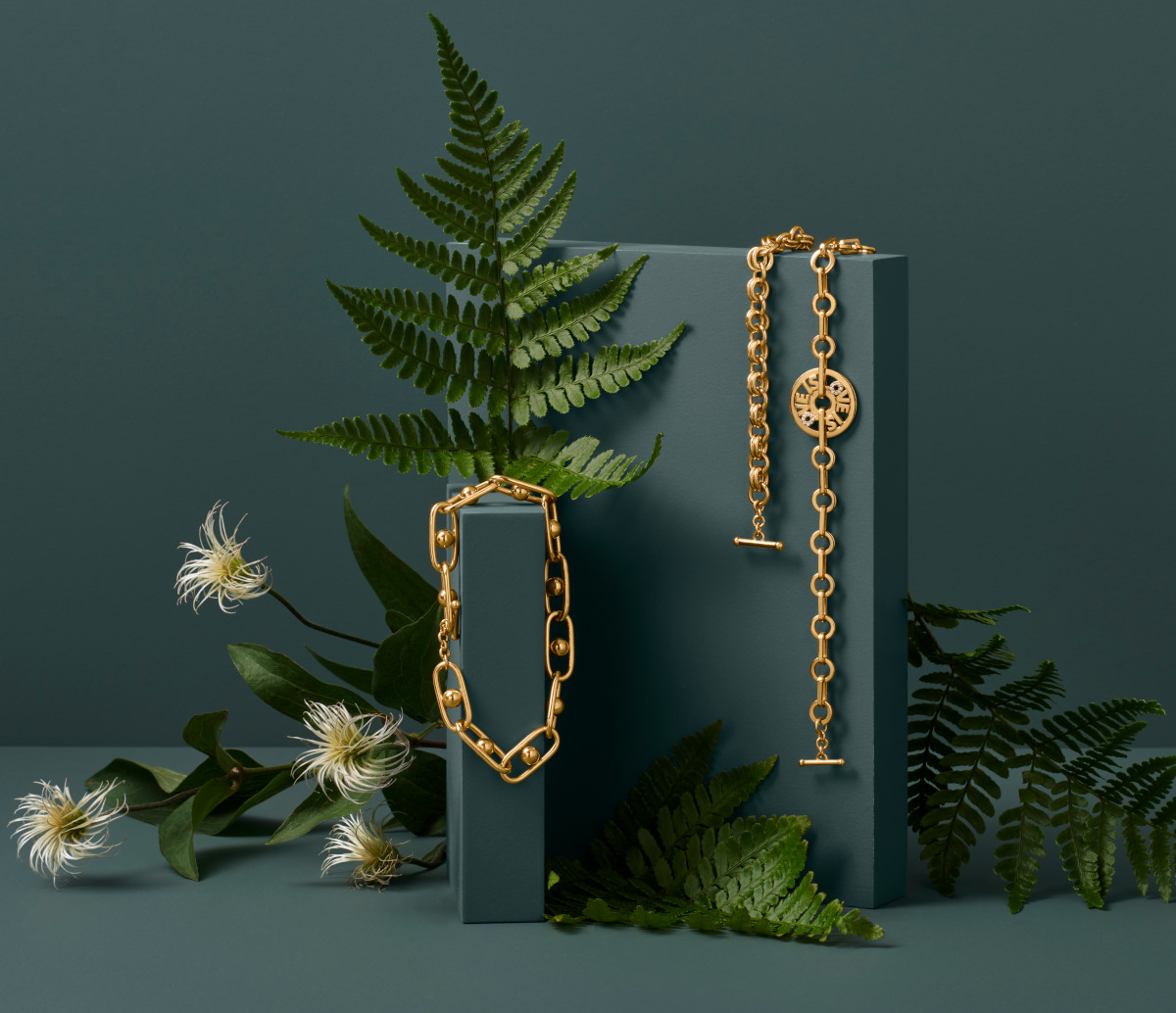
While we were living in Penestanan, a legislative meeting was postponed because the Minister Kris mysteriously disappeared from his house and reappeared in another village. Goldsmithing in Bali goes back thousands of years, with a surge during the fall of the Majapahit Empire, when Javanese nobles fled to Bali — along with their gold and silversmiths, who cross-pollinated with Balinese metalworkers. Even today, women at ceremonial dances look like mythical beings in their intricate gold headdresses. In our neighborhood, they practiced under the open-air joglo, the local priest looking on, an alternate- universe Steve McQueen in a sarong — cigarette dangling from his lip astride his scooter.
Life as a creative has its exaltations and challenges. To understand what’s happening in the world requires a sensitivity, a curiosity, a willingness to be in a space of not-knowing, and an acceptance of a degree of precarity. The feelers must be out to glean what is relevant, to take the temperature and reflect the culture, to cultivate relevancy, to remain strong yet pliable, and to be open to receive what comes.
We humans, are simply stewards, not owners, of gold. Each piece remains long after its wearer is gone. True luxury is the ability to move, explore, to morph, make choices, excavate, and to discover and move toward core values, which, at least to me, sounds a lot like gold. Luxury is also working with people and companies one loves and believes in. This is the stuff: fair trade, teamwork, constancy, honesty and transparency, invention, encouragement, beauty and composition, enduring value, honoring the people making it happen along the way. What could be more golden than that?
PHOTO CREDITS:
Creative Direction: Molly Findlay
Set design: Molly Findlay
Photography & Art Direction: Black & Steil
Wardrobe Styling: Natalia Zemliakova
Hair & Makeup: Paul Venoit
Jewelry: Auvere
